7 Dumpster Rental Tips for Pinellas & Pasco Homes
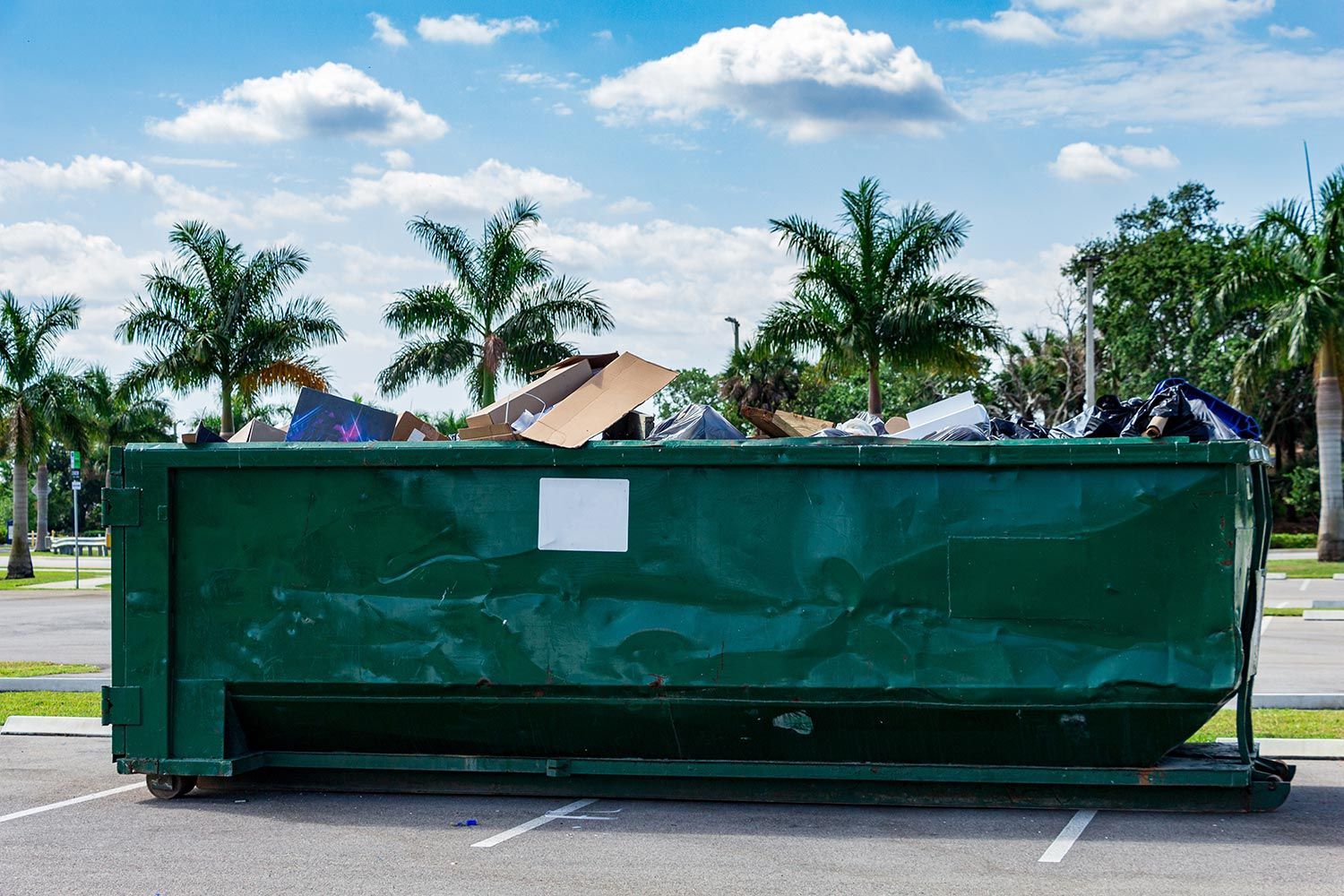
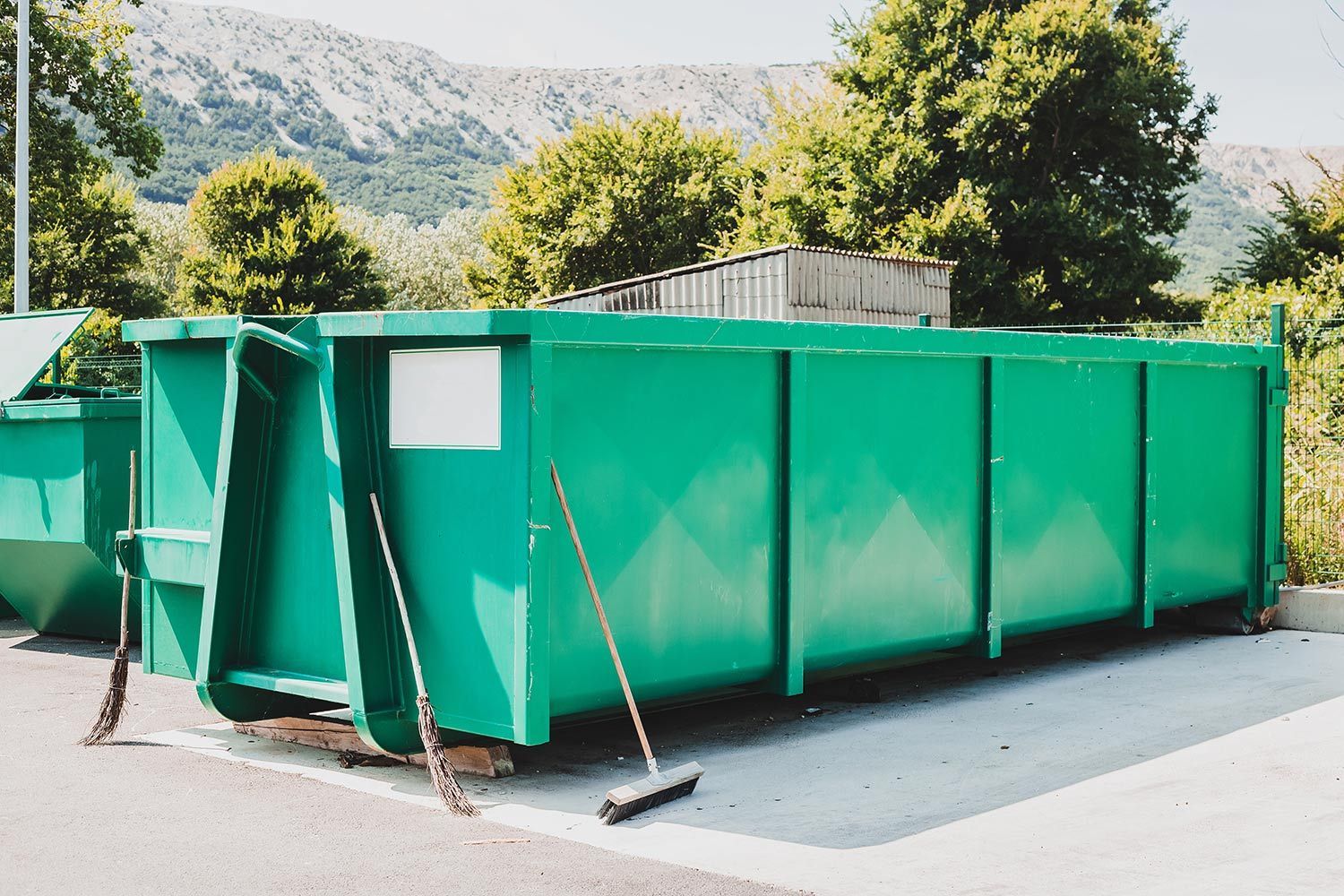
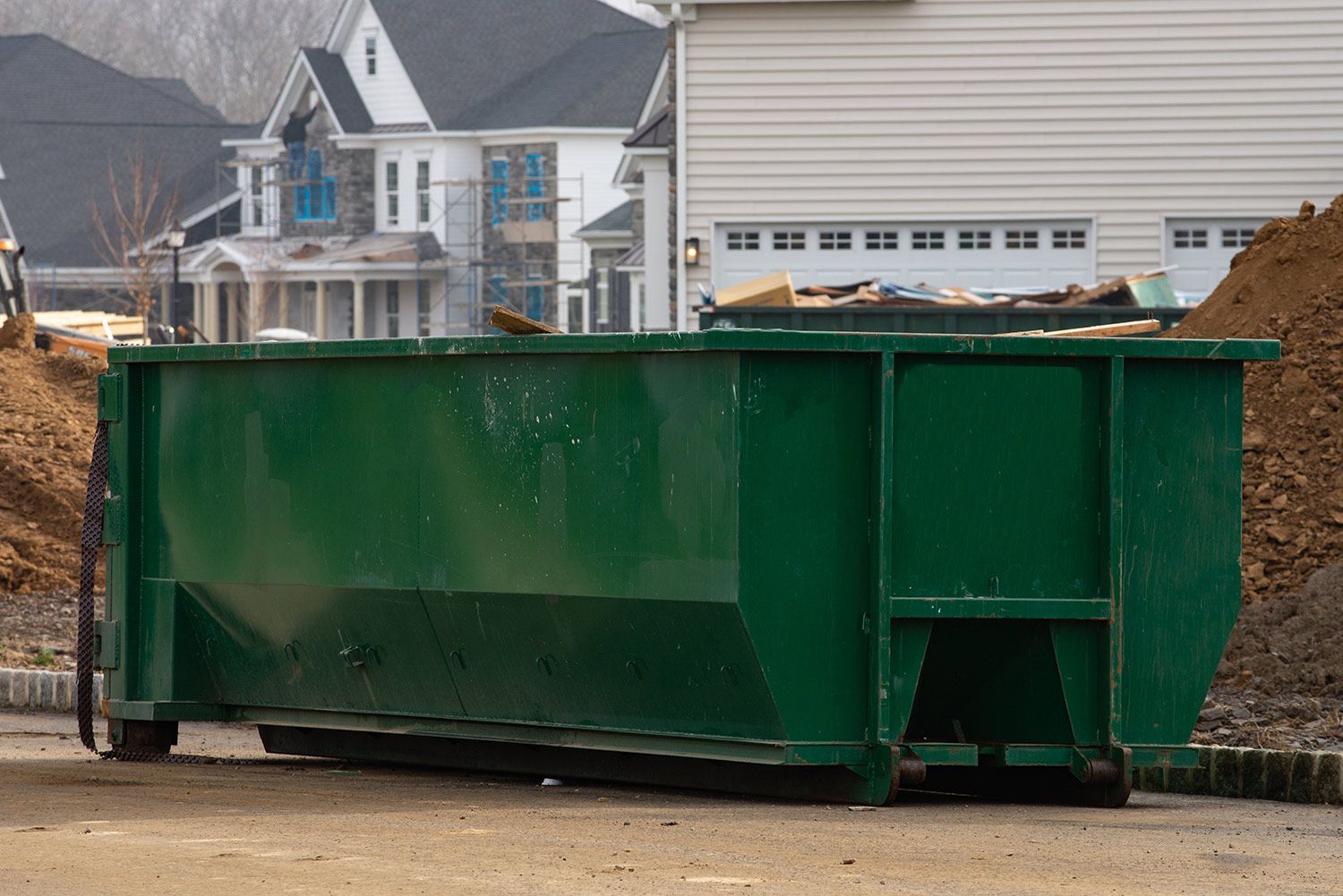
Dumpster rental gives homeowners a convenient way to manage renovation waste, roofing debris, storm cleanup, or a whole-house clear-out. Before booking, check the required container size, permitted materials, placement space, local access rules, rental period, and total pricing. Planning these details early helps avoid delays, extra fees, and an unsuitable container.
What should homeowners know before renting a dumpster?
A dumpster is more than a box delivered to your drive. It is part of a short-term waste-management plan. The right choice depends on what you are throwing away, how much material you have, where the container can sit, and how long the project will take.
For homeowners in Pinellas and Pasco Counties, a little preparation is particularly useful. Properties range from compact urban lots to larger suburban driveways, and access can vary considerably. Before you request a quote, consider these seven points:
- Estimate the volume of waste.
- Choose the correct container size.
- Confirm which materials are accepted.
- Select a safe, accessible placement area.
- Check whether local permission is needed.
- Understand the rental period and pricing.
- Decide whether a dumpster or full-service removal is better.
How do I choose the right dumpster size?
Size is usually measured in cubic yards. A container that is too small can require a second delivery, while one that is too large may take unnecessary space and cost more than needed.
As a general guide:
- 10-yard container: Small bathroom projects, garage tidying, or limited household debris.
- 15-yard container: Medium clear-outs, flooring replacement, or several rooms of renovation waste.
- 20-yard container: Larger remodels, roofing work, or a substantial house cleanout.
- 30-yard container: Major renovations, estate clearances, or bulky construction debris.
- 40-yard container: Large-scale building, demolition, or commercial projects.
These are planning estimates rather than guarantees. Furniture, concrete, soil, tiles, and roofing materials can fill a container faster than lightweight household rubbish. Our dumpster size guide can help you compare options before booking.
If you are unsure, describe the project, number of rooms, material types, and expected timeline. A local provider can usually recommend a practical size based on that information.
Where can a dumpster be placed on my property?
The best location is a firm, level surface with enough clearance for delivery and collection. A private driveway is often the simplest option, but it must be wide and strong enough for the delivery vehicle and loaded container.
Keep the area clear of:
- Low branches, cables, carports, and roof overhangs
- Vehicles, gates, fences, and other obstructions
- Soft ground, steep slopes, or areas likely to flood
- Utility covers, drainage points, and access routes
Think about how you will load the container. It should be close enough to the work area to make carrying waste manageable, but not so close that it blocks doors, emergency access, or neighbouring property.
Protecting the driveway is also worth discussing. Ask whether boards or another surface-protection method will be used, especially if the driveway is decorative, newly paved, or susceptible to cracking.
Do I need permission for a dumpster in Pinellas or Pasco County?
Requirements can depend on the exact municipality, road, pavement, and placement location. A container on private property may have different requirements from one placed on a public street, verge, or right-of-way.
Before delivery, check with the relevant local authority or ask your dumpster provider what normally applies to your address. You may need to consider:
- Approval for occupying a public road or right-of-way
- Reflective markings, lights, or safety measures
- Parking and traffic restrictions
- Homeowners’ association rules
- Access requirements for neighbouring properties
Do not assume that a neighbour’s previous rental followed the same process. Rules may differ between communities within Pinellas and Pasco Counties. If your property is in Pinellas, see our Pinellas County service information. For Pasco residents, our Pasco County disposal information provides related local guidance.
What can I put in a dumpster?
Accepted materials often include household rubbish, furniture, flooring, timber, drywall, garden waste, and general renovation debris. However, restrictions vary by provider and disposal facility.
Commonly restricted or prohibited items may include:
- Paint, solvents, oils, fuel, and other liquids
- Batteries, chemicals, pesticides, and pressurised cylinders
- Asbestos or other hazardous materials
- Refrigerants and certain electronic equipment
- Tyres, mattresses, concrete, soil, or bulky appliances without prior approval
Always ask before loading anything unusual. Separating prohibited items at the start is much easier than removing them later. For specialist household items, you can also review our furniture and appliance pickup service.
Do not fill beyond the top rim. Overloaded containers can be unsafe to transport and may require you to remove material before collection. Heavy waste should also be distributed evenly rather than placed in one concentrated area.
How much does dumpster rental cost?
The final price depends on more than container size. A quote may reflect the rental period, delivery distance, disposal weight, material type, local fees, and whether the container needs to be exchanged.
When comparing quotes, ask:
- What size and weight allowance are included?
- How many days does the base rental cover?
- Are delivery, collection, and disposal included?
- What happens if the container is overweight?
- Are prohibited materials or extra days charged separately?
A very low advertised price may not represent the complete cost. Request an itemised quote and explain the project accurately. If your waste volume is uncertain, it may be useful to compare a container with full-service junk and debris removal, where a crew loads and hauls items for you.
How long should I keep the container?
Choose a rental period that matches the realistic pace of your project. A weekend clear-out may need only a few days, while a renovation can be interrupted by deliveries, inspections, weather, or contractor schedules.
Avoid booking too little time if the work is uncertain, but do not leave a container sitting unused. Ask whether the rental can be extended and what the daily rate would be. Also confirm how much notice is required for collection.
A useful approach is to schedule delivery shortly before the main loading work begins. This reduces the chance of paying for unused days and keeps the container available when you need it.
Dumpster rental or junk removal: which is better?
A dumpster rental works well when you are able to load waste yourself over several days. Full-service removal may be better when items are heavy, access is difficult, or you do not have the time or labour to load the container.
Choose a dumpster when:
- You are handling a renovation or extended clean-out.
- Waste will be produced gradually.
- You have safe placement space and loading access.
- You want control over the project schedule.
Choose crew-based removal when:
- You need items removed quickly.
- There are stairs, tight access, or heavy furniture.
- You are clearing an inherited property or eviction.
- You would rather avoid lifting, sorting, and loading.
For a move-out or property clearance, our
house cleanout service may be more convenient than managing a container yourself.
A simple booking checklist
Before confirming your delivery, have these details ready:
- Property address and preferred delivery date
- Approximate waste volume and material types
- Driveway or placement measurements
- Expected rental duration
- Any access restrictions, gates, or low branches
- Questions about permits, weight limits, and prohibited items
Take a photograph of the proposed placement area if access is complicated. This can help the provider identify potential delivery issues before arrival.
Frequently asked questions
Can a dumpster go on the street?
It may be possible, but street or right-of-way placement can require local approval and additional safety measures. Confirm the rules for your exact address before scheduling delivery.
Can I put concrete or soil in a dumpster?
Heavy materials may require a specific container, separate pricing, or a strict weight limit. Ask the provider before loading concrete, bricks, tiles, sand, or soil.
What happens if I need the dumpster longer?
Contact the provider before the agreed collection date. Extensions may be available, although additional daily rental charges can apply.
Can I mix household rubbish and renovation debris?
Often yes, but acceptance depends on the provider and disposal facility. Tell the provider all major material types when requesting your quote.
How far in advance should I book?
Booking several days ahead is sensible, especially around weekends, holidays, storm clean-up periods, and popular renovation seasons. Earlier booking gives you more choice of container size and delivery date.
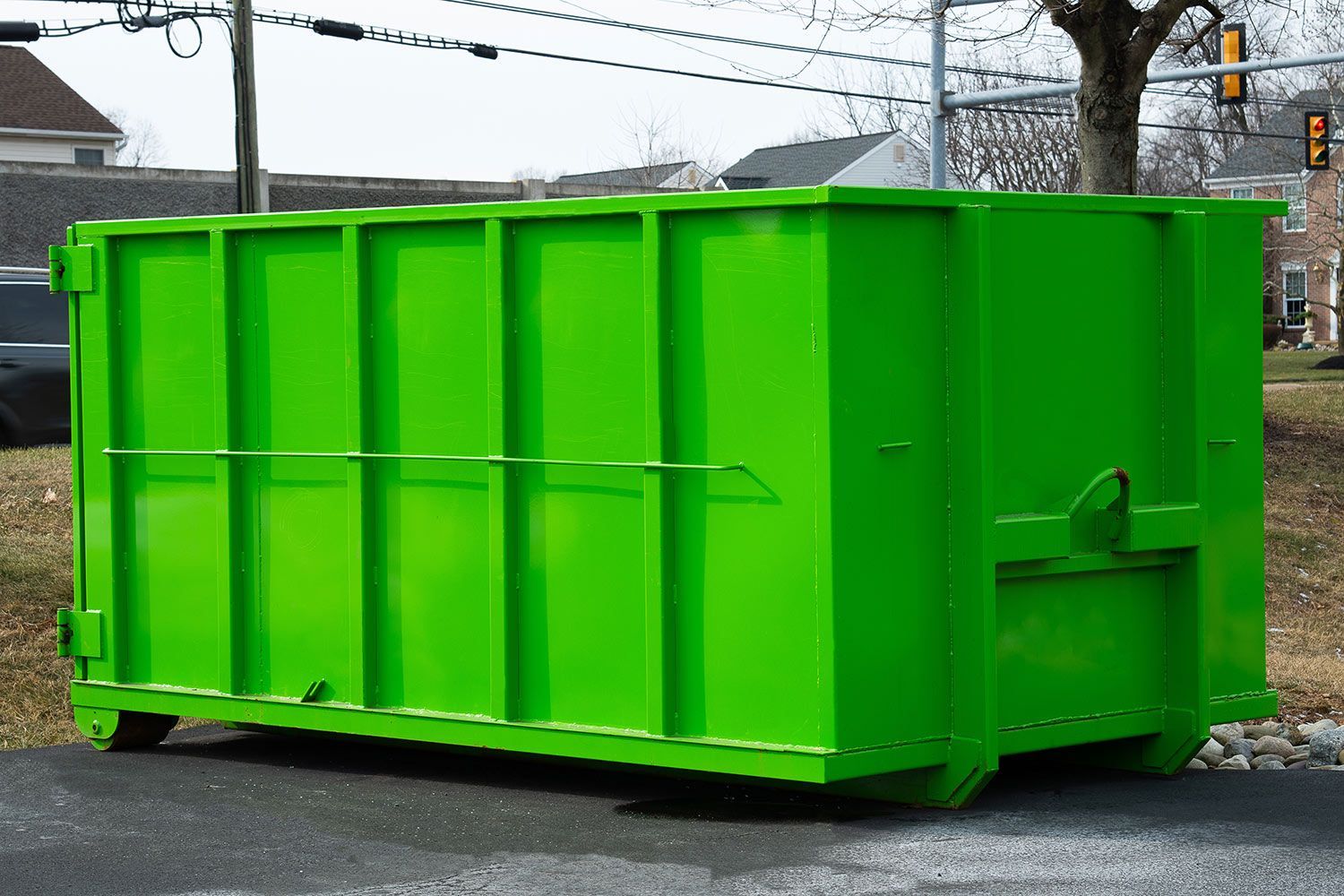
Plan your dumpster rental with confidence
For homeowners in Pinellas and Pasco Counties, successful dumpster rental comes down to matching the container to the project and preparing the delivery area. Estimate the waste, check accepted materials, confirm placement and local requirements, and request a transparent quote. If loading a container feels impractical, compare it with full-service removal instead. Next, measure your available space, list the materials you need to discard, and request a hauling estimate so you can choose the most efficient option for your home.
Recent Posts